
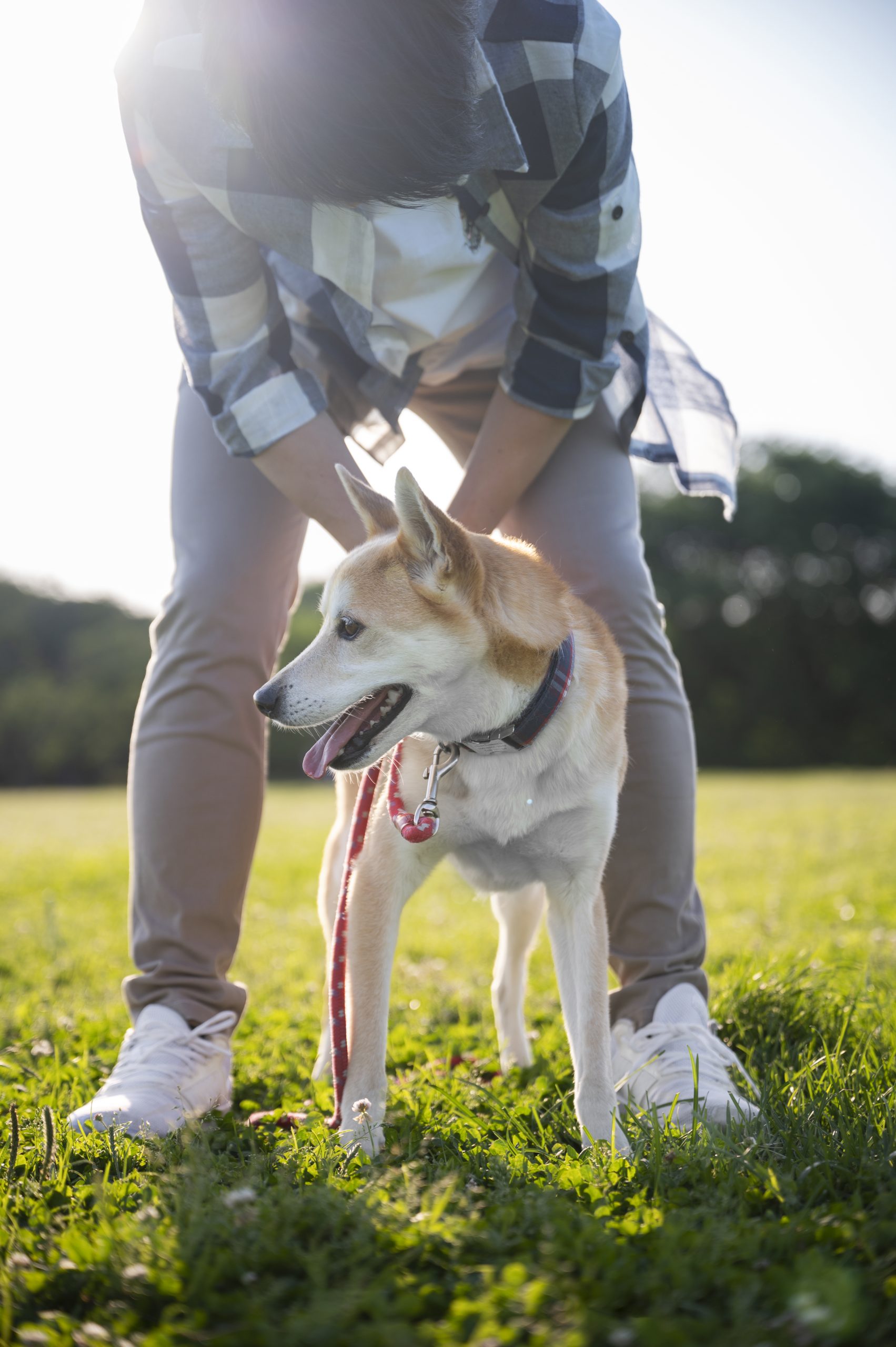
It’s astounding to consider that dogs, much like humans, often show preferences for certain individuals in their lives. You might think it’s all about who feeds them, but the science of canine psychology reveals a more complex story. Understanding this preference sheds light on the remarkable ways dogs perceive and interact with their human companions.
One significant reason dogs may show favoritism is tied to early socialisation periods and the relationships they form during this time. Research suggests that interactions during these critical developmental stages can shape a dog’s future preferences. Coupled with innate personality traits, it’s a fascinating intersection of nature and nurture at play in every wag of the tail or excited leap.
- Dogs have a keen sense of smell and favor familiar, comforting scents linked to positive experiences.
- Calm and gentle body language makes dogs feel safe and understood, enhancing trust.
- Matching energy levels and temperament between a dog and a person creates harmonious interactions.
- Positive past experiences with certain individuals shape a dog’s preferences over time.
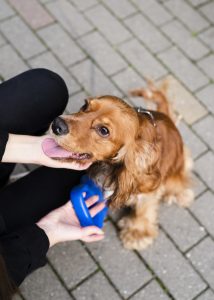
4 Reasons Dogs Prefer Certain People Over Others
One primary reason dogs favor certain people is their sense of smell. Dogs have an incredibly keen sense of smell, and familiar scents bring them comfort. If a person has a scent that a dog associates with positive experiences, they will naturally gravitate toward that individual. This could be due to the person regularly feeding, playing, or simply spending enjoyable time with the dog. Scent recognition strengthens the bond between the dog and their preferred human.
Dogs also pay close attention to body language. People who exhibit calm and non-threatening gestures are more likely to gain a dog’s trust. Abrupt movements or loud noises can scare dogs, while gentle touches and soothing tones make them feel secure. This nonverbal communication plays a significant role in how dogs perceive individuals. This is why some dogs seem to instantly like some people more than others.
Energy levels and temperament are crucial as well. Dogs often mirror the energy of the people around them. So, a person with a calm demeanor will likely attract dogs seeking a peaceful environment. Conversely, someone who is hyperactive might appeal to more playful dogs. Matching energy levels between a dog and a person can make interactions more enjoyable for both.
Past experiences significantly shape dog preferences. If a dog has had positive interactions with a particular person, they are more likely to prefer them in the future. This history includes memorable activities like walks, treats, and playtime. Positive and consistent past interactions build trust and affection. Dogs remember these experiences and show favoritism toward individuals who make them feel happiest.
1. Scent: The Power of Familiarity and Comfort
Dogs have an incredibly keen sense of smell, far superior to that of humans. This means they can pick up on even the slightest changes in their environment. Familiar scents bring them comfort and security. When a person has a scent connected to positive experiences, dogs are more likely to prefer that individual. It’s like a comforting blanket on a cold day, providing reassurance and warmth.
This sense of scent goes beyond just recognizing a person. Dogs can detect emotions through smell, such as fear or happiness. People who exude a confident and calm demeanor are more attractive to dogs. This is because dogs feel safer and more relaxed around them. On the other hand, anxious or nervous smells can make dogs uneasy.
Interestingly, dogs can also differentiate smells based on their experiences. For instance, someone who regularly gives treats may have a preferred scent because it signals rewards. Dogs have been known to favor family members who consistently engage in positive interactions. This reinforces their preference for certain individuals.
Moreover, the bond created by scent is long-lasting. A dog will remember a scent associated with love and care over time. This powerful memory strengthens their emotional connection. Scent is like an invisible string, tying a dog to the people they love and trust, deepening their affection.
2. Body Language: Nonverbal Communication Matters
Dogs are exceptionally attuned to body language, making it a critical aspect of their interactions with humans. They can pick up on subtle cues that people might not even realize they’re giving. Calm and gentle gestures can make a dog feel safe and understood. For instance, crouching down to a dog’s level can be more inviting than towering over them. This type of nonverbal communication speaks volumes to dogs.
Maintaining relaxed body language is key when approaching a dog. Sudden or jerky movements can startle them and create a sense of unease. Using steady, deliberate motions helps convey a sense of calm and predictability. Dogs appreciate predictability as it makes them feel secure. Additionally, soft eye contact can be more reassuring than a direct stare.
Furthermore, the way humans touch dogs can significantly influence their comfort levels. Gentle and slow strokes are often more welcomed than fast or rough pats. Dogs may also read the overall posture of a person to determine their intentions. An open, relaxed posture signals friendliness, while a tense stance might be perceived as threatening. Understanding these signals helps build a positive relationship.
Errors in body language can lead to misunderstandings between dogs and people. Misinterpreting a dog’s signals can result in unwanted reactions. For example, a wagging tail doesn’t always mean a dog is happy; it can also indicate excitement or stress. By being mindful of our movements and how dogs perceive them, we can enhance our bond with them.
3. Energy and Temperament: Calmness vs. Excitability
A dog’s preference for certain people is often influenced by the person’s energy level and temperament. Dogs tend to resonate with energy that matches their own. Calm individuals may attract dogs who seek a peaceful environment. Conversely, more excitable people can be appealing to playful and energetic dogs. It’s a matter of finding a complementary match.
When a person approaches a dog with calmness and patience, the dog is more likely to feel at ease. This is particularly important for dogs that are naturally anxious or fearful. A calm demeanor can help soothe their nerves and build trust. On the other hand, hyper dogs may enjoy someone who matches their energy with enthusiasm and playfulness. It’s about creating a compatible dynamic.
Different dog breeds also have varying energy needs. Breeds like Border Collies or Jack Russell Terriers typically thrive on high energy and require more active engagement. In contrast, breeds like Bulldogs or Basset Hounds are more laid-back and prefer a calmer atmosphere. Recognizing these differences can help in understanding why a dog might prefer one person over another.
Matching energy levels extends to everyday interactions as well. A person who enjoys frequent walks and playtime will be more attractive to a dog that needs regular exercise. Similarly, someone who enjoys quiet evenings and gentle petting will appeal to dogs that prefer a more tranquil setting. This alignment of lifestyles fosters a deeper connection.
It’s also important to note that dogs can sense and reflect human emotions. If a person is consistently stressed or anxious, a dog may pick up on these feelings and become stressed themselves. Conversely, a calm and happy person can transfer those positive emotions to their pet. Maintaining a balanced energy around dogs helps create a harmonious environment.
Understanding the balance between calmness and excitability in dogs and humans can significantly enhance their relationship. By observing and adjusting to your dog’s energy needs, you create a more fulfilling and happy bond. This mutual understanding is key to a harmonious companionship.
4. Past Experiences: History Shapes Preference
A dog’s past experiences play a crucial role in shaping their preferences for certain people. Positive interactions with individuals create lasting memories for dogs. These experiences can include activities like playing, feeding, and training. When a dog associates someone with fun and care, they are more likely to seek their company. This bond is built over time through a series of positive encounters.
Dogs remember kindness and affection from people. If they’ve been treated well by someone, they’re more inclined to trust and prefer that person. For example, a person who consistently offers treats and affection will likely become a favorite. Dogs cherish these positive interactions and build strong bonds. In contrast, negative experiences can lead dogs to avoid certain individuals.
Past trauma can also influence a dog’s preferences. Dogs that have been mistreated or neglected may show fear or aggression towards people resembling their past abusers. This makes it essential for new caretakers to approach with patience and understanding. Building trust with a traumatized dog requires time and gentle interactions. Dogs gradually learn to trust again through consistent kindness.
Dogs’ socialisation period as puppies is critical. Early exposure to various people and environments shape their future behavior. Puppies that interact positively with many different people are more likely to be well-adjusted and friendly adults. This early socialization helps them form healthy attachments. Consequently, dogs with a broad range of positive experiences develop better relationships with humans.
Reinforcement through repetitive positive experiences strengthens a dog’s preference for certain people. Activities like daily walks, regular feeding, and playtime contribute to this bond. Over time, dogs associate these pleasant routines with specific individuals. This consistent reinforcement helps in building stronger, more affectionate relationships. By creating positive experiences, we can shape a dog’s preferences and foster their trust.
How Personalities Impact Dog-Human Bonds
Personalities play a significant role in the bond between dogs and humans. Just like people, dogs have unique personalities that affect how they interact with others. A person’s temperament can greatly influence a dog’s comfort and trust. A calm and patient person may find it easier to bond with shy or anxious dogs. Similarly, an energetic and playful person may connect better with lively, outgoing dogs.
It’s essential to match personalities for a successful dog-human relationship. Dogs thrive in environments where their personalities are understood and respected. For example, an independent dog may appreciate a more hands-off approach. People who recognize these traits can create a harmonious living situation. Respecting each other’s personalities strengthens the bond.
Dog owners who are attentive to their pets’ personalities often experience deeper connections. They can tailor their interactions to meet their dog’s needs. This might include adjusting the level of physical activity or changing the way they communicate. Such awareness fosters a more understanding and supportive relationship. Dogs feel more secure and loved when their personalities are acknowledged.
Moreover, personality compatibility affects daily routines. Dogs with high energy levels require more exercise and playtime. Owners who match this energy can provide the necessary stimulation. On the other hand, more relaxed dogs may prefer quiet, cozy environments. Understanding and accommodating these preferences enhances the bond.
Sometimes, dogs and humans may have clashing personalities. This can create challenges but also opportunities for growth. Learning to adapt and find common ground helps in overcoming differences. Patience and compromise are key to building a successful relationship. Ultimately, understanding each other’s personalities leads to a more fulfilling companionship.
Canine Attachment Styles Explained
Dogs, like humans, exhibit different attachment styles that influence their behavior and relationships. Understanding these styles can help owners provide better care and build stronger bonds with their pets. The primary attachment styles in dogs are secure, anxious-ambivalent, and avoidant. Each style has distinct characteristics and impacts the dog-owner relationship differently.
A secure attachment style is ideal for dogs. Dogs with this style feel confident when their owner is present but also cope well when left alone. They trust that their owner will return and are generally friendly and well-adjusted. Securely attached dogs enjoy exploring new environments while keeping an eye on their owner. This balanced behavior makes them easier to manage in various situations.
Anxious-ambivalent attachment is seen in dogs that become overly clingy or distressed when separated from their owners. These dogs may bark excessively or show signs of anxiety when left alone. They often follow their owners around the house to ensure they aren’t left behind. Consistent routines and gradual desensitization can help reduce anxiety in these dogs.
Avoidant attachment occurs in dogs that seem indifferent or disinterested toward their owners. These dogs might prefer to be alone rather than seek interaction. This could result from past negative experiences or a lack of socialization during puppyhood. Building trust through positive reinforcement can help foster a closer relationship with avoidant-attached dogs.
Recognizing your dog’s attachment style allows for tailored caregiving approaches. Meeting the specific needs of secure, anxious-ambivalent, or avoidant dogs enhances the overall quality of life for both pet and owner. By understanding these attachment styles, you can develop strategies to improve your dog’s emotional well-being.
Tips for Building Trust and Affection with Dogs
Building trust and affection with dogs requires patience and consistency. Start by creating a calm and safe environment where the dog feels comfortable. Spend quality time with them, engaging in activities they enjoy. This can include walks, playtime, or just sitting quietly together. Trust grows from these shared, positive experiences.
Using positive reinforcement is essential for building a strong bond. Reward your dog with treats, praise, or affection when they show desired behavior. This approach encourages them to repeat good behavior and associate you with positive outcomes. Avoid using punishment, as it can break trust and create fear. Consistency in training helps reinforce this positive relationship.
Understanding your dog’s body language and signals is also important. Pay attention to their cues to determine if they are comfortable or stressed. Respect their boundaries and give them space when needed. Over time, they will learn that you are attentive to their needs, which fosters trust and affection. Gentle, non-intrusive interactions work best.
Establishing a routine can help your dog feel secure. Dogs thrive on predictability and knowing what to expect each day. Regular feeding times, walks, and play sessions create a sense of stability. This routine helps reduce anxiety and builds confidence. Your dog will appreciate the structure, which strengthens your bond.
Socializing your dog with other animals and people can also enhance their trust in you. Exposing them to new experiences in a controlled way helps them become more adaptable. Always provide calm reassurance during these encounters. By guiding them through new experiences, you become a reliable source of support. This trust translates into stronger affection.
Lastly, patience is key. Building a lasting bond with a dog doesn’t happen overnight. Be patient and give them time to adjust and open up. Celebrate small milestones and progress along the way. Your consistent effort and love will pay off in a deep, trusting relationship with your dog.
For more insight into dog-human bonding, visit the PDSA behaviour advice page.
Frequently Asked Questions
Understanding why dogs prefer certain people over others can deepen our bonds with these loyal companions. Here are some common questions professionals often ask regarding canine psychology and relationships.
1. How does a dog’s sense of smell affect their human preferences?
Dogs have an incredibly keen sense of smell, far superior to humans. They use this ability to recognize and remember familiar people based on their scent. A person’s unique smell can be associated with positive or negative experiences. Dogs are more likely to favor individuals whose scents they link with comfort, food, and affection.
Familiar smells make dogs feel safe and secure. This powerful sensory connection allows dogs to distinguish and form preferences for certain people. So, if a dog feels relaxed around a particular scent, they’ll naturally seek out that person for comfort and reassurance.
2. Why is body language so important for dogs?
Dogs are highly adept at reading body language and use it to gauge human emotions and intentions. Calm and gentle movements create a sense of security in dogs, whereas sudden or aggressive gestures can cause fear. Eye contact and body posture also play significant roles in how dogs perceive people.
For example, crouching to a dog’s level can seem more inviting than looming over them. Nonverbal communication, like soft petting or slow movements, enhances a dog’s trust and affection. Understanding body language helps humans create positive interactions with dogs.
3. How does a dog’s temperament affect its human preferences?
Dogs have unique temperaments that include their energy levels and general dispositions. An energetic dog might prefer someone who enjoys lots of play and exercise. Conversely, a more laid-back dog could favor a person with a calm, relaxed demeanor.
Matching a dog’s energy with the right human activity can enhance their bond. For instance, a high-energy dog might bond better with someone who takes them on runs and plays often. Understanding and aligning with a dog’s temperament creates more harmonious relationships.
4. Can positive reinforcement influence which people a dog prefers?
Positive reinforcement, such as treats and praise, can significantly influence a dog’s preferences. Dogs are more likely to favor individuals who reward them for good behavior. This association with positive experiences promotes trust and affection.
Consistent rewards and praise help build a strong bond between a dog and its favorite person. Over time, dogs develop a lasting preference for people who consistently provide positive reinforcement. This practice helps create a nurturing and trusting environment.
5. What impact do early social experiences have on a dog’s preferences?
Early social interactions are crucial in shaping a dog’s future behavior and preferences. Puppies exposed to various people and environments tend to be more well-adjusted adults. These early positive experiences help them form robust attachments and preferences.
A well-socialized puppy is likely to be friendlier and more trusting. Introducing them to different people in a gentle and positive manner helps build their confidence. Early social experiences are vital in developing dogs that are comfortable and happy around people.
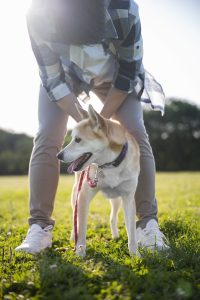
Conclusion
Understanding why dogs prefer certain people over others provides valuable insights into canine psychology. These preferences are shaped by factors such as scent, body language, energy levels, and past experiences. By recognizing and responding to these elements, we can strengthen our relationships with our furry friends.
Building trust and affection with dogs requires patience, consistency, and a deep understanding of their unique needs. By focusing on positive interactions and respecting their individual personalities, we can foster lasting bonds. This knowledge not only benefits our pets but also enhances our mutual happiness and well-being.