
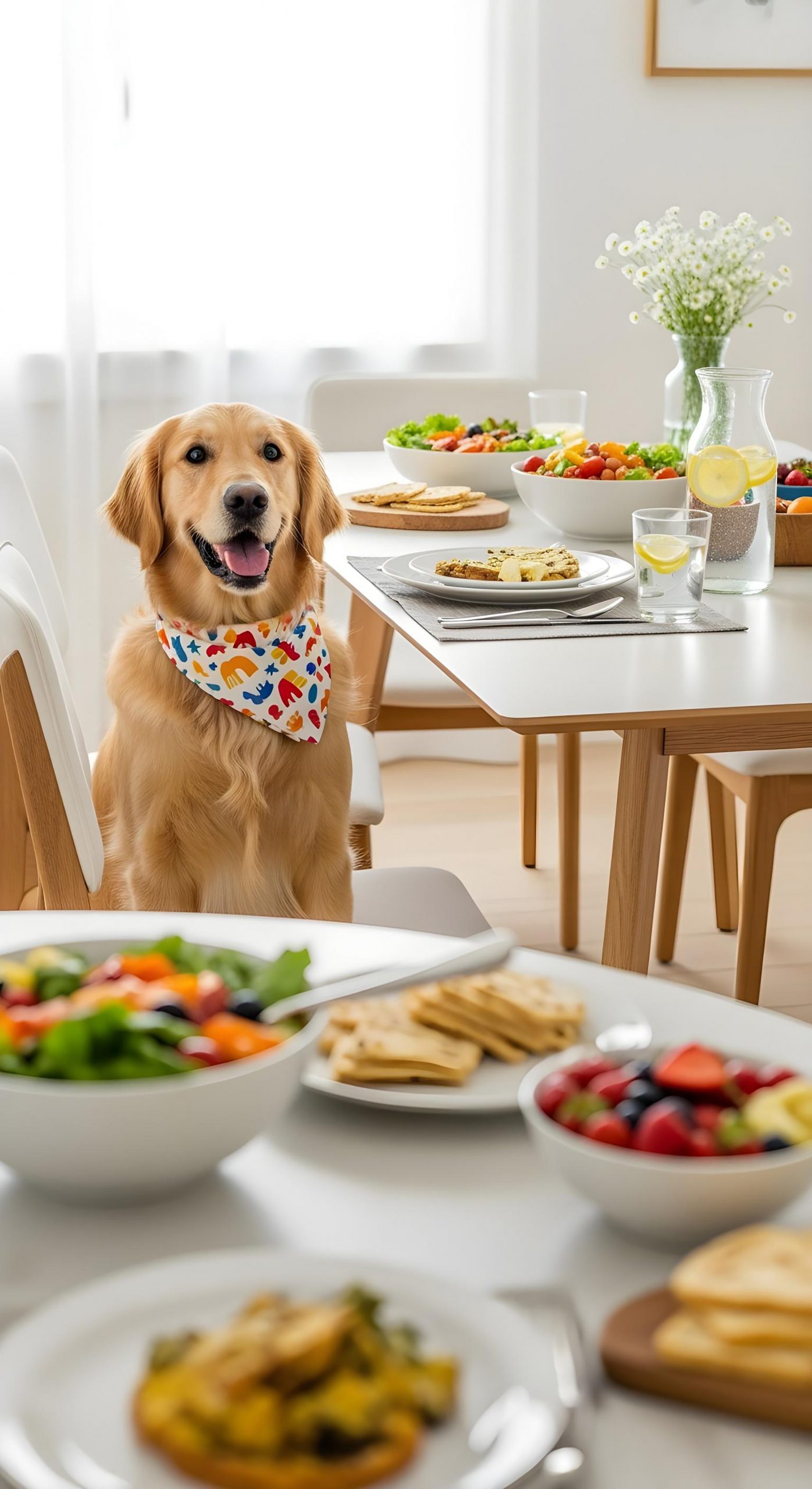
After indulging during the holiday season, both humans and their canine companions can use a healthier path forward. Did you know that nearly 60% of dogs in the U.S. are overweight or obese? Providing wholesome treat swaps is crucial to maintaining their health while still showing them love.
Smart Dog Nutrition offers an insightful guide on healthy treat swaps for dogs post-holiday feasts. These swaps not only help combat the holiday weight gain but also promote better overall nutrition. Consider switching out calorie-dense treats for fresh veggies or homemade options that are lower in fat and calories.
- Fresh carrot sticks instead of gravy-covered meats
- Blueberries over processed sweets
- Dehydrated sweet potato slices replace store-bought biscuits
- Unsweetened apples in place of leftover pie
- Lean turkey or chicken bits rather than fatty table scraps
- Pumpkin purée as a festive, fiber-rich snack
- Green beans instead of cheese or creamy appetizers
7 Healthy Treat Swaps for Dogs After the Holiday Feast
After the holidays, it’s important to switch out fatty, calorie-heavy treats for healthier options. These swaps help prevent weight gain and improve overall nutrition. Fresh carrot sticks are a great alternative to gravy-covered meats, providing crunch and nutrition without extra fat. Similarly, blueberries can replace processed sweets, offering antioxidants and vitamins. Your dog will still enjoy a tasty reward without the added sugar.
Dehydrated sweet potato slices are another excellent choice instead of store-bought biscuits. They are low in fat and high in fiber, promoting better digestion. Unsweetened apples can replace leftover pie, giving your dog a sweet treat without the added sugars and spices. Lean turkey or chicken bits can be used in place of fatty table scraps. This ensures your dog gets protein without the harmful fats.
Pumpkin purée makes a festive and healthy snack that dogs love. It’s rich in fiber and vitamins, aiding in digestion and providing essential nutrients. Green beans are also a good swap for cheese or creamy appetizers. They are low in calories and packed with vitamins, making them a smart choice. Introducing these swaps gradually can help your dog adjust without resistance.
Here are some of the best treat swaps to consider:
- Fresh carrot sticks
- Blueberries
- Dehydrated sweet potato slices
- Unsweetened apples
- Lean turkey or chicken bits
- Pumpkin purée
- Green beans
These swaps are not only healthier but also keep your furry friend happy and satisfied. Providing a balanced diet year-round helps maintain their weight and overall health.

Fresh carrot sticks instead of gravy-covered meats
Swapping gravy-covered meats with fresh carrot sticks is a smart choice for your dog’s health. Carrot sticks are low in calories, making them excellent for weight management. They are also rich in vitamins A and K, supporting eye health and stronger bones. Additionally, carrots are great for dental health, as the crunchiness helps clean your dog’s teeth. This makes them a functional and tasty treat.
Gravy and fatty meats can contribute to obesity in dogs. High-fat content can lead to pancreatitis and other health issues. By switching to carrot sticks, you are significantly reducing the risk of such problems. Carrots also offer dietary fiber, which aids in digestion. This makes them a well-rounded snack.
Your dog might take some time to adjust to this new treat. Start by offering small pieces of carrot and gradually increase the amount. Most dogs enjoy the natural sweetness and crunch of carrots. Over time, they will look forward to this healthier option.
Carrot sticks can be used in various ways:
- As training rewards
- Mixed into their regular food
- Frozen as a cool summer treat
- Chopped into smaller pieces for smaller dogs
- Combined with other healthy vegetables
Incorporating these methods can make the transition smoother and keep your dog excited about their snacks.
Blueberries over processed sweets
Choosing blueberries over processed sweets for your dog is a wise and nutritious decision. Blueberries are packed with antioxidants, which help fight free radicals and boost the immune system. They are also rich in vitamins C and K, promoting overall health. Processed sweets, on the other hand, often contain artificial ingredients and high sugar levels that can be harmful. This makes blueberries a far superior option for satisfying your dog’s sweet tooth.
Processed sweets can lead to several health issues, including obesity, diabetes, and dental problems. A diet high in sugar is particularly dangerous for dogs. Switching to blueberries helps mitigate these risks due to their natural sugars and beneficial nutrients. Blueberries also provide fiber, aiding in digestion. Your dog will enjoy a delicious treat that supports their well-being.
Introducing blueberries into your dog’s diet can be simple and fun. Start by offering a few berries to see if your dog likes them. Most dogs find blueberries tasty and easy to chew. If your dog hesitates, try mixing them with their regular food or treats. This gradual introduction can make the transition smoother.
Here are some creative ways to serve blueberries to your dog:
- As standalone treats
- Mixed into their regular meals
- Frozen for a refreshing snack
- Blended into homemade dog-friendly smoothies
- Combined with other fruits and veggies
These methods not only add variety but also keep your pet engaged and happy with their healthy treats.
Dehydrated sweet potato slices replace store-bought biscuits
Dehydrated sweet potato slices are perfect substitutes for store-bought biscuits when it comes to treating your dog. They are packed with essential nutrients like vitamins A, B6, and C, which support skin, coat, and overall immune health. Compared to store-bought biscuits, which often contain preservatives and artificial flavors, sweet potato slices offer natural goodness. Plus, they are high in dietary fiber, aiding in digestion and keeping your dog feeling full. This makes them a great choice for maintaining a healthy weight.
Store-bought biscuits can contain unwanted fillers and unhealthy fats. These ingredients can contribute to weight gain and other health issues. On the other hand, sweet potatoes are naturally low in fat and calories. They provide a healthy alternative that is still tasty and satisfying for your dog. The dehydration process also ensures they have a long shelf life without the need for artificial preservatives.
Switching to dehydrated sweet potato slices is easy and beneficial for your dog. Simply offer them as a snack or reward, just like you would with store-bought biscuits. Dogs usually love the chewy texture and mild sweetness. You can also make your own dehydrated sweet potato slices at home, ensuring they are free from any additives. Here is a simple method:
- Wash and peel sweet potatoes.
- Slice them into thin, even pieces.
- Arrange the slices on a baking sheet.
- Dry them in the oven at a low temperature (around 200°F) for several hours.
- Store the slices in an airtight container once they are completely dry.
This homemade approach allows you to control the ingredients and ensure a truly healthy treat. These slices can be stored for weeks and are ready to use whenever needed. Whether you purchase them or make them yourself, dehydrated sweet potatoes are a nutritious and delicious alternative to traditional dog biscuits.
Unsweetened apples in place of leftover pie
Unsweetened apples are an excellent alternative to leftover pie for your dog. Pies often contain sugar, butter, and spices, which aren’t healthy for pets. Unsweetened apples, on the other hand, are low in calories and sugar while providing essential nutrients. They are rich in vitamins A and C, which boost immune function. This makes apples a much healthier and safer option for dogs.
Feeding your dog leftover pie can lead to several health issues. High sugar content can cause weight gain and dental problems. The added butter, cream, and other ingredients in pies may upset your dog’s stomach. Unsweetened apples eliminate these risks while still providing a tasty treat. Additionally, apples contain fiber, helping to improve your dog’s digestion.
Introducing unsweetened apples to your dog’s diet is simple. Cut the apple into small, manageable pieces, removing the seeds and core. Dogs usually enjoy the crisp texture and natural sweetness. Start with a few pieces to see how your dog reacts. Most dogs will happily munch on apples as a refreshing snack.
You can get creative with how you serve apples to your dog:
- Mix apple slices with their regular food
- Freeze apple chunks for a cool treat
- Blend apples into smooth applesauce
- Combine apples with other dog-friendly fruits
- Use apple bits as training rewards
These methods add variety and excitement to your dog’s treat options, making snack time both healthful and fun.

Lean turkey or chicken bits rather than fatty table scraps
Opting for lean turkey or chicken bits instead of fatty table scraps is a healthier choice for your dog. Lean meats provide high-quality protein necessary for muscle repair and immune function. Fatty table scraps, on the other hand, can contribute to obesity and other health issues. By feeding lean meats, you are ensuring your dog gets the nutrients they need without extra calories. This can help maintain a healthy weight and reduce the risk of chronic diseases.
Fatty table scraps can cause digestive issues and even pancreatitis in dogs. Foods rich in fats and oils are difficult for dogs to process. Lean turkey or chicken, however, is easy on the stomach and highly digestible. This makes it a better choice for dogs with sensitive stomachs. The natural flavor of lean meats is also appealing to dogs.
Integrating lean turkey or chicken into your dog’s diet can be simple and effective. Start by cooking the meat without any seasoning or oil. Cut it into small, bite-sized pieces. These can be used as treats or mixed into their regular meals. Most dogs find lean turkey or chicken both tasty and satisfying.
Here are some benefits of feeding lean turkey or chicken to your dog:
- High in essential amino acids
- Low in unhealthy fats
- Rich in vitamins and minerals
- Supports muscle maintenance and growth
- Highly digestible and easy on the stomach
By incorporating these meats into your dog’s diet, you are promoting their health and happiness. This simple switch can make a big difference in their overall well-being.
Pumpkin purée as a festive, fiber-rich snack
Pumpkin purée is a fantastic festive treat for dogs. It’s rich in fiber, which helps with digestion and keeps your dog feeling full longer. This can aid in weight management, especially after holiday feasts. Pumpkin is also packed with vitamins A, C, and E, which support overall health. Its natural sweetness makes it an enjoyable snack for dogs.
Feeding pumpkin purée to your dog is simple and beneficial. You can serve it alone or mix it into their regular meals. Aim to provide plain pumpkin without any added sugars or spices. Avoid pre-made pie fillings as they often contain ingredients harmful to dogs. Freshly made or canned pure pumpkin are both excellent choices.
Adding pumpkin purée to your dog’s diet can help alleviate digestive issues like constipation or diarrhea. The soluble fiber in pumpkin absorbs water and adds bulk, making stools easier to pass. Introducing this slowly will allow your dog’s system to adjust without any adverse effects. Start with small amounts and increase gradually based on your pet’s needs.
Here are some creative ways to serve pumpkin purée:
- Mix it with their kibble
- Freeze into ice cube trays for cool treats
- Combine with other fruits and vegetables
- Spoon it into Kong toys for enrichment
- Bake into homemade dog treats
These methods not only make snack time interesting but also ensure your dog reaps the health benefits of this nutrient-dense treat.
Green beans instead of cheese or creamy appetizers
Choosing green beans over cheese or creamy appetizers for your dog is a wise and healthful decision. Green beans are low in calories and fat, making them an ideal snack for weight-conscious pets. They are rich in vitamins like A, C, and K, as well as essential minerals. This makes green beans a nutritious alternative. They help support your dog’s immune system and overall well-being.
Cheese and creamy appetizers may taste great, but they are often high in fat and calories. These foods can lead to weight gain and other health issues in dogs. Furthermore, many dogs are lactose intolerant, making cheese a poor snack choice. By switching to green beans, your dog gets a crunchy treat without the unhealthy fats. This helps in maintaining their ideal weight and preventing potential digestive problems.
Incorporating green beans into your dog’s diet is simple and versatile. You can offer them raw, steamed, or cooked, depending on your dog’s preference. Make sure to cut them into bite-sized pieces to prevent choking. Avoid adding any seasoning or butter, as these can be harmful to dogs. Stick to plain green beans to ensure they get the full health benefits.
Ways to serve green beans to your dog include:
- As a standalone snack
- Mixed with their regular dog food
- Frozen for a crunchy, refreshing treat
- Blended into homemade dog meal recipes
- Combined with other dog-safe vegetables
These options provide variety and make the transition to healthier snacks more enjoyable for your dog. Green beans not only offer nutritional benefits but also cater to your pet’s taste and texture preferences.
Why post-holiday treat swaps matter for canine health
Post-holiday treat swaps are crucial for maintaining your dog’s health. During the holidays, dogs often indulge in rich, fatty foods that can lead to weight gain and other health issues. By switching to healthier treats, you can help your dog avoid these problems. Healthier treat options provide essential nutrients without the extra calories and unhealthy fats. This proactive step promotes a balanced diet and overall well-being.
Overweight dogs are at a higher risk for numerous health conditions. These include diabetes, heart disease, and joint problems. Implementing treat swaps can reduce the risk of these conditions. Foods like fresh vegetables and lean meats offer dogs the nutrition they need. This also helps in meeting their energy requirements without adding extra pounds.
Aside from weight management, healthier treats improve digestion. Rich and fatty foods can cause gastrointestinal upset in dogs. Treat swaps like pumpkin purée and sweet potatoes have high fiber content. This aids in digestion and keeps your dog’s digestive system running smoothly. Consistent healthy snack choices can lead to fewer stomach issues and a happier, more active dog.
Making these swaps also extends your dog’s life expectancy. A well-balanced diet is key to longevity and vitality in pets. When you prioritize your dog’s nutrition, you’re investing in their future. Healthier treat options ensure they live a longer, healthier life. This not only benefits your dog but also strengthens your bond with them.
How to introduce healthy snacks to your dog’s routine
Introducing healthy snacks to your dog’s routine can be a smooth process with the right approach. Start by incorporating small amounts of the new treats alongside their regular diet. This gradual introduction helps prevent any digestive issues. Over time, you can increase the portion of healthy snacks as your dog becomes accustomed to them. This method ensures a seamless transition.
Observation is key during the introduction phase. Keep an eye on your dog for any signs of allergies or digestive discomfort. It’s important to note how they react to each new snack. If any adverse reactions occur, discontinue the treat and consult your vet. Regular monitoring keeps your pet safe and happy.
Varying the types of healthy snacks can also be beneficial. Offering a range of options prevents your dog from getting bored. Healthy snacks like carrot sticks, green beans, and blueberries provide different nutrients. This variety ensures a well-rounded diet. It also makes snack time more exciting for your dog.
Here are a few steps to introduce healthy snacks:
- Start with small portions
- Mix with regular food initially
- Increase the portions gradually
- Observe your dog’s reactions
- Provide a variety of snacks
Following these steps makes the transition to healthier snacks easier and more enjoyable for your dog. This approach promotes better health and happiness for your furry friend.
Smart Dog Nutrition tips for maintaining a balanced canine diet
Maintaining a balanced diet for your dog is essential for their health and happiness. Start by ensuring a mix of protein, carbohydrates, and fats in their meals. High-quality protein sources like chicken, turkey, and fish support muscle growth and repair. Carbohydrates, such as brown rice and sweet potatoes, provide energy. Healthy fats from fish oil or flaxseed promote a shiny coat and healthy skin.
In addition to macronutrients, your dog also needs essential vitamins and minerals. Ensure their diet includes a variety of vegetables and fruits. Foods like carrots, green beans, and blueberries offer vitamins A, C, and fiber. This supports their immune system and digestive health. Avoid grapes, onions, and other foods toxic to dogs.
Hydration is another crucial aspect of a balanced diet. Always provide fresh, clean water for your dog. Ensure they have access to water throughout the day. Consistent hydration supports kidney function and overall well-being. Consider offering water-rich foods like cucumbers and watermelon as occasional treats.
Here are some tips for maintaining a balanced canine diet:
- Feed high-quality protein sources
- Include a variety of vegetables and fruits
- Provide healthy fats
- Ensure fresh, clean water is always available
- Watch for any food allergies or intolerances
Following these tips helps ensure your dog gets the nutrients they need. A balanced diet contributes to their long-term health and vitality.
Always consult your veterinarian when making changes to your dog’s diet. They can provide personalized recommendations based on your dog’s breed, size, and health status. Regular vet check-ups also help monitor your dog’s dietary needs and overall health. By prioritizing nutrition, you set your dog up for a long, healthy, and happy life.
Frequently Asked Questions
Discover answers to common questions about healthy treat swaps for dogs after holiday feasts. Learn how to keep your furry friend happy and healthy with nutritious alternatives.
1. Can all dogs eat fruits like blueberries and apples?
Most dogs can safely enjoy fruits like blueberries and apples in moderation. These fruits are rich in vitamins and antioxidants, providing numerous health benefits. However, it’s essential to ensure the fruits are unsweetened and free from seeds and cores, which can be harmful. Always introduce new foods gradually.
Some dogs might have allergies or sensitivities, so monitoring for any adverse reactions is crucial. If you notice any signs of allergies or digestive issues, discontinue the fruit and consult your veterinarian. Including fruits in your dog’s diet can be a great way to boost their nutrition.
2. How can I safely prepare sweet potatoes for my dog?
To prepare sweet potatoes, peel and slice them into thin pieces. Bake them at a low temperature until fully dehydrated and crispy. Make sure they are plain, without any added sugars, salts, or spices. This preparation ensures your dog receives a healthy, digestible treat without any harmful additives.
Sweet potatoes are high in fiber and vitamins, making them a nutritious snack option. Regularly incorporating them into your dog’s diet can aid digestion and provide essential nutrients. Monitor your dog for any reactions when introducing this new treat to ensure they tolerate it well.
3. Why should I avoid giving my dog fatty table scraps?
Fatty table scraps can lead to various health issues in dogs, including obesity, pancreatitis, and digestive problems. These scraps are often high in unhealthy fats and can disrupt your dog’s balanced diet. By avoiding these, you help maintain your dog’s ideal weight and prevent long-term health conditions.
Instead, opt for lean protein sources like turkey or chicken bits. These options provide essential nutrients without the extra calories and fats. Always consider your dog’s overall health and dietary needs when choosing treats to ensure they remain happy and healthy.
4. Are green beans beneficial for dogs, and how should they be served?
Yes, green beans are very beneficial for dogs as they are low in calories and high in vital nutrients like vitamins A, C, and K. They can be served raw, steamed, or cooked, but should always be plain, without any added seasonings or oils. This ensures your dog receives a healthy, low-calorie treat.
Green beans can improve your dog’s digestion and help maintain a healthy weight. By including them in your dog’s diet, you can provide a crunchy, satisfying snack that supports overall health. Always cut green beans into bite-sized pieces to prevent choking hazards.
5. How can pumpkin purée help my dog’s health?
Pumpkin purée is excellent for dog health, primarily due to its high fiber content. This fiber helps regulate digestion, alleviating both constipation and diarrhea. Additionally, pumpkin is rich in vitamins and antioxidants, supporting overall health. Make sure to use plain pumpkin purée without added sugars or spices.
Incorporating pumpkin purée into your dog’s diet can be easy. You can serve it as a standalone treat, mix it into their regular meals, or even freeze it into small cubes for a refreshing snack. Regular, moderate consumption can greatly benefit your dog’s digestive health and nutritional intake.
For safe human foods for dogs, visit the PDSA dog food safety guide.
Conclusion
Implementing healthy treat swaps for your dogs after the holiday season is essential for their well-being. Opting for fresh, natural treats like blueberries, sweet potatoes, and green beans ensures they receive vital nutrients without the harmful additives. This practice helps maintain their ideal weight and overall health.
Incorporating these swaps into your dog’s diet can be a simple and effective way to promote longevity. Regularly monitoring their reaction to new treats and adjusting as needed will ensure they stay happy and healthy. Prioritizing your dog’s nutrition not only benefits their health but also enhances your bond with them.