
Ever wondered what your dog’s favourite sleeping position says about their personality? Recent studies suggest that the way dogs sleep can reveal fascinating insights into their behaviour and emotional state. Let’s delve into these intriguing findings and uncover the hidden meanings behind five common canine sleep positions.
The ‘curled up’ position, for instance, can indicate a sense of security and protectiveness. Historically, wild dogs would sleep this way to conserve body heat and protect vital organs. On the other hand, the ‘belly up’ position often signifies confidence and relaxation, as this vulnerable pose is only adopted by dogs that feel completely safe in their environment.
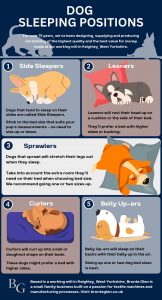
Curled Up: Indicates a sense of security and affection; dogs feel protective yet safe.
Belly Up: Signifies confidence and relaxation, showing trust in their environment.
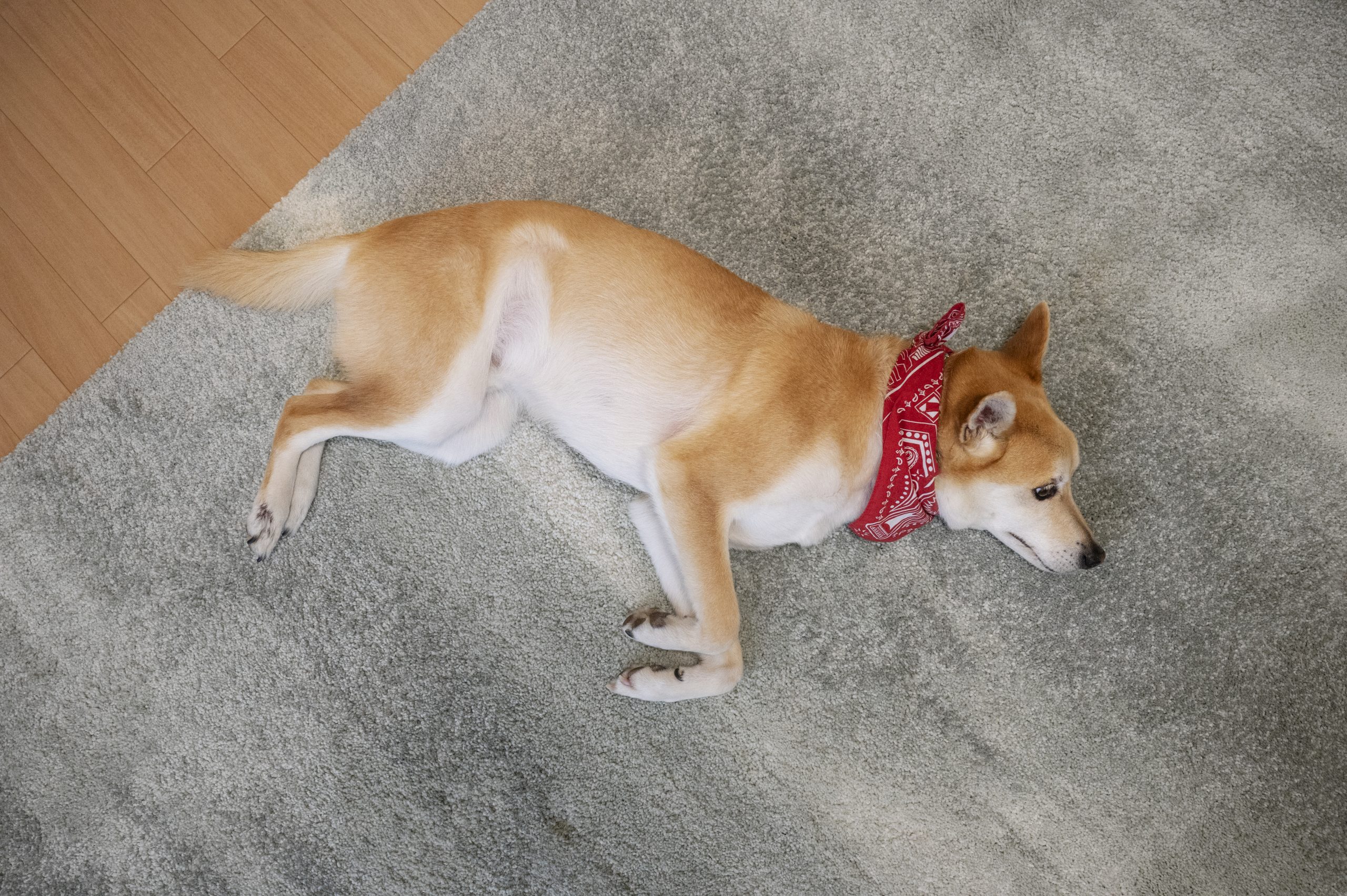
Side Sleeper: Reflects contentment and comfort; dogs feel relaxed and bonded with their family.
Superman Pose: Showcases energetic and playful nature, ready for action even while resting.
Lion’s Pose: Demonstrates alertness mixed with calmness, highlighting protective instincts and loyalty.
5 Dog Sleep Positions and What They Reveal About Personality
The ‘curled up’ position is one of the most common dog sleep positions. When a dog sleeps like this, it usually means they feel secure and cosy. This position can also indicate that your dog wants to conserve body heat, much like their wild ancestors. Dogs that sleep curled up tend to be affectionate and sweet-natured. They’re often friendly with other pets and people.
The ‘belly up’ position is another interesting sleep posture. Dogs that sleep on their backs with their belly exposed show a high level of trust and comfort. In this vulnerable pose, they signal that they feel safe in their environment. It’s also a great way for them to cool down on hot days. Confident and relaxed dogs are more likely to sleep like this.
Side sleeping is a position that many dogs prefer. It indicates that the dog feels relaxed and trusts their surroundings. Dogs in this position are often calm and easy-going. They usually exhibit a laid-back personality. Side sleepers are content and enjoy being part of the family.
The ‘superman’ pose, where a dog lies on its belly with legs stretched out, is common among energetic dogs. These dogs are often alert, ready to spring into action at a moment’s notice. Puppies are frequently seen sleeping this way because it allows them to get up quickly. It’s a sign of an active and playful personality. This position is ideal for dogs who are always on the go.
Curled Up: The Secure Sleeper
Dogs that sleep curled up, with their nose touching their tail, often feel secure and protected. This position is instinctive, helping conserve body heat and shield vital organs. It’s commonly seen in wild canines who need to stay warm and safe from predators. Pet dogs using this pose might be mirroring their wild relatives. This position can denote a cautious but loving personality.
When a dog chooses to sleep curled up, it might be signalling its affection. Dogs using this pose are usually sweet-natured and close to their families. They may be more reserved around strangers but form deep bonds with those they trust. They naturally desire comfort and warmth. This position is often associated with a nurturing and gentle character.
Interestingly, the curled-up position can also indicate alertness. Despite being cosy, a dog can easily spring into action from this posture if needed. They stay prepared, even while resting. This balance between relaxation and readiness is a hallmark of secure sleepers. It shows a blend of calmness and attentiveness.
In a nutshell, the curled-up position is a versatile one. It provides warmth, security, and a sense of protection. Dogs sleeping in this manner are often friendly and content. They balance their need for cosiness and their instinct to stay vigilant. This sleep position reveals a dog that seeks comfort but remains aware of its surroundings.
Belly Up: The Confident Relaxer
Dogs sleeping with their belly up demonstrate a high level of trust. This position exposes their most vulnerable parts, indicating they feel safe and secure. It’s a clear sign that a dog is comfortable in its environment. Such dogs are typically relaxed and confident. They trust their surroundings completely.
This sleep position also helps dogs cool down. Exposing their belly to the air allows heat to dissipate quickly. During hot weather, you might find dogs adopting this pose more frequently. It’s an efficient way to stay comfortable when temperatures rise. Feeling hot and looking for a cool surface, they naturally switch to the belly-up position.
Behaviourally, these dogs are usually assertive and carefree. They tend to be social and enjoy interacting with people and other animals. Their open and trusting nature makes them approachable and friendly. Such dogs are often the life of the party at dog parks. Their confidence reflects in their playful and engaging behaviour.
The belly-up position is not just about relaxation; it’s a mark of independence. Dogs that sleep like this are generally secure in their own space. They exhibit a balance of spirit and calmness. Their laid-back attitude often translates into happy, content personalities. These dogs are comfortable being the centre of attention or just lounging around.
Side Sleeper: The Loyal Companion
Dogs that sleep on their side often indicate they feel safe and relaxed. This position allows them to stretch out and rest their limbs. Side sleeping is a sign that the dog trusts its surroundings completely. Such dogs are usually content and feel no need to stay alert. They are comfortable in their environment and with their family.
Side sleepers tend to have loyal and loving personalities. These dogs enjoy being around their humans and other pets. They often seek company and prefer not to be alone for long periods. This sleep position highlights their need for affection. Loyal companions, side sleepers bond deeply with their family members.
This position also suggests that the dog has had a good amount of physical activity. After playing or going for a walk, dogs often choose to lie on their side. It helps them recover and rest thoroughly. Their muscles relax more easily in this position. It can indicate a well-balanced routine of activity and rest.
Interestingly, side-sleeping dogs are known for their ease of adaptability. They can adjust well to various environments and situations. Whether it’s a new park or a different home, they remain calm. Their flexibility makes them ideal for families with changing schedules. They can handle transitions without much fuss.
In terms of personality, side sleepers are generally friendly and sociable. They are approachable and get along well with people and other animals. This position reveals their sense of security and contentment. Happy, easy-going, and trustworthy, these dogs make great companions. Their relaxed nature often translates into a pleasing demeanour.
Overall, side sleepers are well-adjusted dogs who are comfortable and confident. Their loyalty and sociable traits make them beloved family members. They enjoy physical activities but also cherish downtime. Observing their sleep positions provides insights into their well-being and temperament. This knowledge helps in nurturing their loving personalities.
Superman Pose: The Energetic Dreamer
The ‘Superman pose’ is commonly seen among active, playful dogs. When dogs lie on their stomach with their legs stretched out, it’s often a sign of their readiness to spring into action. This position allows them to get up quickly and resume their energetic activities. Puppies are especially fond of this pose as it lets them rest while staying alert. It’s a clear indication of a lively and enthusiastic personality.
Energetic dreamers adopt the Superman pose because it keeps them prepared. This sleep position keeps their muscles limber, enabling speedy movement. Dogs in this position tend to be curious and explorative. They are always ready to investigate their surroundings. Their inquisitive nature often leads them to exciting adventures.
This sleep position also reflects a playful character. Dogs stretching out in the Superman pose convey a sense of fun and joy. They thrive on engaging activities and love to interact with their environment. These dogs are usually high-spirited and bring energy into their households. Their playful attitude makes them delightful companions.
The Superman pose can be an indicator of a dog’s health status. Healthy dogs who exercise regularly are more likely to sleep in this position. It shows their flexibility and overall good physical condition. This pose allows for effective muscle relaxation after exertion. Observing this position can give insights into the dog’s fitness levels.
Additionally, the Superman pose reveals comfort and contentment. Despite their readiness to move, dogs in this position feel secure enough to stretch out. It’s a blend of relaxation and preparedness. This pose indicates a balanced emotional state, combining restful sleep with alert awareness. Owners can see a harmonious blend of energy and calmness.
All in all, the Superman pose exemplifies an energetic and joyful dog. These dreamers balance activity with relaxation beautifully. Their readiness to leap into action shows their playful and healthy nature. Understanding this pose offers a glimpse into the vibrant personality of these dogs. It’s a testament to their spirited and affectionate demeanour.
Lion’s Pose: The Protective Guardian
The ‘Lion’s Pose’ is characterised by a dog lying on its stomach with its front paws stretched forward and head resting on the paws. This position is both restful and alert, making it ideal for protective guardians. Dogs in this pose can easily rise if needed. It’s often seen in dogs who like to keep an eye on their surroundings. This position reflects both relaxation and vigilance.
Protective guards often adopt this position to watch over their family. These dogs feel a strong sense of duty. They are ready to defend their territory at a moment’s notice. Even while resting, their senses are keenly aware of their environment. This pose reveals a dog’s protective instincts and loyalty.
Interestingly, dogs in the Lion’s Pose are also showing a blend of relaxation and control. It indicates that the dog feels secure enough to rest but wants to remain partially alert. This balance is crucial for dogs with strong guardian instincts. Their behaviour demonstrates an innate desire to protect. Owners often feel reassured by their dog’s alert presence.
In terms of personality, dogs that favour this position are usually dependable and attentive. They are observant and quick to respond to changes in their environment. Moreover, these dogs often form very close bonds with their owners. Their commitment to their family is evident in their protective nature. They are trustworthy and steadfast.
Dogs that sleep in the Lion’s Pose can be seen as the sentinels of their homes. They keep a lookout for potential threats while ensuring their loved ones are safe. Their protective stance is a comforting sight for many owners. This position also signifies a deep-seated calmness. These guardians manage to stay watchful without sacrificing their need for rest.
Altogether, the Lion’s Pose is a striking mix of watchfulness and tranquillity. It is perfect for dogs that play the role of a guardian. Their protective tendencies shine through even in their sleep. Observing this pose helps understand the deep loyalty and security they offer. These dogs are constantly devoted to their family’s well-being.
Fascinating Canine Behaviour Patterns in Sleep
Dogs exhibit a variety of sleep behaviours that can be quite fascinating to observe. One common pattern is the twitching and paddling of their legs while they sleep. This behaviour is often seen during REM (Rapid Eye Movement) sleep, where dogs are likely dreaming. Puppies and older dogs usually exhibit this more frequently. It’s thought to reflect their playful or hunting dreams.
A frequent behaviour in dogs’ sleep patterns is circling and digging before lying down. This instinctual action comes from their wild ancestors who would do so to make a nest. Although it’s unnecessary for domestic pets, the behaviour persists. It helps them feel comfortable and secure. Such behaviours give insight into the deep-rooted instincts in dogs.
Another notable pattern is dogs sleeping in different postures depending on their temperature comfort. In cold weather, they might curl up tightly to preserve body heat. During warmer conditions, they tend to sprawl out on cooler surfaces to dissipate heat faster. This adaptability in sleeping positions helps regulate their body temperature effectively.
Some dogs snore when they sleep, especially breeds with shorter snouts like Bulldogs and Pugs. Snoring can be cute but also indicate potential health issues such as obesity or respiratory problems. Paying attention to these sounds can provide valuable insights into a dog’s health. It’s important for owners to monitor these patterns and consult a vet if needed.
A fascinating aspect is how closely bonded some dogs are with their humans through synchronised sleeping patterns. Dogs often adjust their sleep times to match those of their owners due to their pack mentality. They prefer being close to their family members even while resting. This behaviour emphasises the affectionate nature of canines.
Barking or whining softly during sleep might seem peculiar but it’s relatively common among dogs experiencing vivid dreams. Often, it’s an expression related to interactions within those dreams, whether playing with other dogs or chasing something exciting. These vocalisations occur mostly during REM sleep phase where dreaming activity peaks significantly.
How Sleep Positions Correlate With Canine Emotional States
Dog sleep positions often reveal much about their emotional states and overall well-being. For example, the curled-up position, where a dog tucks its nose close to its tail, can indicate a need for security. Dogs that sleep like this may feel anxious or cautious about their surroundings. This cocoon-like posture provides comfort and warmth. It suggests the dog seeks a safe and protective environment.
Another example is the side-sleeping position, which usually reflects a sense of contentment and trust. Dogs that sleep on their sides tend to be relaxed and at ease with their environment. This posture indicates emotional stability and a strong bond with their family. These dogs are likely to be confident in their home setting. Their open body language shows they have no immediate concerns.
The belly-up position, where dogs lie on their backs exposing their stomachs, is a clear sign of confidence and comfort. This vulnerable pose is only adopted by dogs who feel entirely safe in their surroundings. It often correlates with a happy and carefree emotional state. Such dogs are typically well-adjusted and secure. Their carefree attitude is noticeable through this relaxed sleeping posture.
The lion’s pose, characterised by a dog resting with its head on its paws, combines relaxation with alertness. Dogs in this position are calm yet on guard, displaying a protective instinct. They are ready to respond to potential threats even while resting. This posture reflects an emotionally balanced guardian. It highlights their loyalty and vigilance.
The superman pose, with dogs stretching out their bodies and limbs, often indicates an energetic and playful nature. Dogs that sleep in this position are usually spirited and active. They stay alert, ready for action even in sleep. Their emotional state is one of readiness and anticipation. This position reveals their zest for life and playful demeanour.
Finally, each sleep position provides valuable insights into a dog’s emotional state. By understanding these positions, owners can better comprehend their pet’s needs and feelings. This knowledge helps in nurturing and caring for their dog’s well-being. Observing sleep positions can offer a glimpse into the inner world of our canine companions. It enriches the bond between dogs and their owners.
What Dog Owners Can Learn From Their Pet’s Sleeping Habits
Observing a dog’s sleeping habits can provide valuable insights into their overall health and well-being. For instance, excessive twitching and movement during sleep could signal physical discomfort or even pain. Understanding these signs allows owners to address potential health issues early on. Monitoring sleep behaviour is an easy way to check for abnormalities. This proactive approach can lead to timely veterinary care.
Sleep positions also reveal a lot about a dog’s emotional state. A dog that consistently sleeps curled up might be feeling anxious or insecure. In such cases, adding a comfortable bed and a warm blanket may help them feel safer. Conversely, dogs that sleep sprawled out or on their backs are likely content and confident. Knowing this helps owners provide the appropriate level of attention and care.
Dog owners can also learn about their pet’s activity levels through sleep patterns. For example, a dog that frequently adopts the superman pose is usually active and playful. Ensuring they get enough exercise during the day can help them rest better at night. On the other hand, if a usually active dog shows signs of lethargy in their sleep, it might be time for a check-up. Adjusting daily routines based on these observations can enhance the dog’s quality of life.
Dogs may also synchronise their sleep schedules with their owners. This behaviour highlights their deep bond and need for companionship. If a dog insists on sleeping close to its human family, it’s a reflection of trust. Spending quality time together can strengthen this bond. Understanding this behaviour enriches the relationship between dogs and their owners.
Additionally, changes in sleep habits can be warning signs. A dog that suddenly changes its sleep position or shows restlessness might be experiencing stress or illness. Recognising these shifts enables prompt investigation and intervention. It’s essential to keep an eye on any anomalies. This vigilance ensures that the dog remains healthy and happy.
By observing and understanding these habits, owners learn how to better support their pets. It’s valuable knowledge that fosters a deeper connection. This framework helps in creating a nurturing environment for dogs. Effective observation of sleeping habits is a simple yet powerful tool. It aids in ensuring the overall well-being of their furry friends.
Frequently Asked Questions
1. Why does my dog sleep curled up in a ball?
When a dog sleeps curled up in a ball, it’s often a sign of feeling secure and protected. This position allows them to conserve body heat and shield their vital organs. Many dogs find comfort in this position, especially if they’re feeling a bit anxious or uncertain. Curling up can also signify a dog’s instinctual behaviour inherited from their wild ancestors.
In colder weather, dogs might naturally curl up more to stay warm. This posture indicates that they are seeking comfort and warmth. If your dog frequently sleeps in this position, providing a cosy bed and a warm blanket can help them feel more secure and relaxed. It’s usually an indication of a cautious but affectionate nature.
2. What does it mean when my dog sleeps on its back?
Dogs that sleep on their backs with their stomachs exposed are typically very relaxed and comfortable in their environment. This position shows a high level of trust and security, as they are exposing their most vulnerable areas. It’s common among dogs that are confident and happy, often displaying their carefree and relaxed attitude.
This pose is particularly good for cooling off, as the fur on a dog’s belly is thinner. During warmer months, you might notice your dog sleeping this way more often. Lying on their back is also a sign that your dog feels completely at ease and safe. This posture is usually adopted by dogs that are very content with their surroundings.
3. Is it normal for dogs to twitch while they sleep?
Yes, it’s perfectly normal for dogs to twitch while they sleep. Twitching occurs most commonly during the REM (Rapid Eye Movement) stage of sleep, a phase where dreaming is most likely to happen. Puppies and older dogs are known to twitch more frequently than mature dogs. This behaviour is believed to be related to their active dreaming.
During REM sleep, dogs may also bark softly, growl, or move their legs as if running. This physical activity during sleep is usually nothing to worry about and part of normal sleep patterns. However, if your dog’s movements seem excessive or they appear to be in distress, consulting your veterinarian would be a wise decision. Ensuring your dog has a comfortable sleeping environment can contribute to restful sleep.
4. Why does my dog circle before lying down to sleep?
Circling before lying down is an instinctive behaviour that dates back to a dog’s wild ancestors. In the wild, wolves and other canines would circle an area to pat down grass, leaves, or snow to create a comfortable sleeping spot. This behaviour helps to make the ground more comfortable and also serves to mark the area with their scent. While domestic dogs don’t need to prepare their beds in the same way, the instinct remains strong.
This circling can also help dogs to check their sleeping area for any potential dangers. Even though our homes are safe, the habit persists. Providing a bed that’s comfortable and secure can help reduce unnecessary circling. Understanding this behaviour can help owners appreciate the deep-rooted instincts in their pets.
5. Can a dog’s sleep position indicate their health status?
Yes, a dog’s sleep position can sometimes provide clues about their health. For instance, a dog that changes its usual sleeping position frequently or seems restless may be experiencing discomfort or pain. Conditions such as arthritis or hip dysplasia might cause a dog to avoid certain positions. Observing any changes in sleeping posture can be crucial for early detection of health issues.
If your dog typically sleeps on their side but suddenly starts sleeping in a curled-up position, it might indicate they are not feeling well. It’s important to monitor such changes and consult your vet if you notice anything unusual. Maintaining a regular check on your dog’s sleep habits can be an effective way to ensure their overall health and well-being.
For safe human foods for dogs, visit the PDSA dog food safety guide.
Conclusion
Understanding your dog’s sleep positions offers valuable insights into their personality and emotional state. Observing these behaviours can enhance the bond between you and your pet. It also allows for timely interventions if any health issues arise. The knowledge provides a deeper connection and ensures your dog’s well-being.
Each sleep position reveals a unique aspect of your dog’s character, from trust and relaxation to alertness and protectiveness. By paying attention to these sleep habits, you can better cater to their needs. This awareness fosters a happier, healthier life for your furry friend. Ultimately, it strengthens the loving relationship you share.