

Every year, countless pets experience behavioural setbacks during the holiday season. Extra visitors, disrupted routines, and festive chaos can leave even the most well-behaved dogs feeling disoriented and anxious. It is no surprise that come January, many dogs are in need of a behaviour reset.
Historically, the first few weeks of the new year can be transformative with the right approach. Experts suggest that re-establishing a consistent daily routine post-holidays can significantly reduce stress for pets. In fact, studies show that a structured environment leads to better overall behaviour and mental health in dogs. Simple yet effective techniques, such as consistent commands, regular exercise, and calming routines, can pave the way for a serene start to the new year for both pets and owners.
Resetting dog behaviour after the holidays involves: establishing a structured routine, reinforcing consistent commands, incorporating calming activities and regular exercise, minimising overstimulation at home, and monitoring progress while adjusting strategies as needed. These steps help create a calm and predictable environment for your pet in the new year.
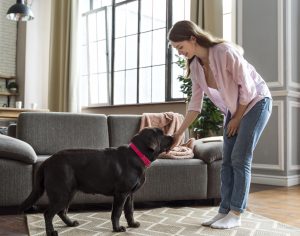
Resetting Dog Behaviour After the Holidays: 5 Tips for a Calm New Year
The holiday season can be quite disruptive for dogs, filled with unusual routines and unfamiliar faces. This can lead to behavioural changes, making it crucial for pet owners to help their dogs reset. Start by re-establishing a structured daily routine. Consistent meal times, walks, and sleep schedules help dogs regain a sense of normality. This predictability reduces anxiety and supports better behaviour.
Next, focus on reinforcing consistent commands and boundaries. During the holidays, it is easy to let rules slip. Re-implementing basic commands like sit, stay, and come can re-establish order. Dogs thrive on knowing what is expected of them. Consistent rules provide clarity and security.
Incorporate calming activities and exercise into your dog’s routine. Regular physical activity helps release pent-up energy and reduce stress. Activities like walks, fetch, or even agility training can be beneficial. Mentally stimulating games or puzzle toys can also keep their minds engaged.
Lastly, minimise overstimulation at home to create a peaceful environment. Reduce noise levels and limit the number of visitors if possible. Consider creating a designated quiet space where your dog can retreat. By taking these small steps, you will help your furry friend transition smoothly into the new year.
Create a Structured Daily Routine
A structured daily routine is essential for helping your dog feel secure and balanced. Start by setting fixed times for meals. Feed your dog at the same time each day to avoid digestive issues. This consistency aids in establishing a stable schedule and helps prevent behavioural problems related to hunger and anxiety.
Regular walks are crucial for physical exercise and mental stimulation. Aim for at least two walks a day, preferably at the same time each morning and evening. Walking at set times gives your dog something to look forward to and reduces the likelihood of destructive behaviour.
Incorporate playtime and training sessions into your daily schedule. Engage your dog with toys and interactive games. Training sessions reinforce good behaviour and provide mental challenges. Allocate specific times of the day for these activities to build a habit. Consistency in both play and training helps maintain harmony.
Lastly, ensure your dog has a designated quiet time to relax. Create a cosy, low-traffic area where they can rest undisturbed. This can be particularly calming after stimulating activity. A balanced routine that includes rest and relaxation helps lower stress levels.
Reinforce Consistent Commands and Boundaries
Reinforcing consistent commands and boundaries is key to resetting your dog’s behaviour. Begin by revisiting basic commands such as sit, stay, and come. Consistent use of these commands helps your dog understand expectations. Practise these commands daily to reinforce learning and reward compliance with treats and praise.
Establish clear boundaries in your home. Define which areas are off-limits to your dog and use gates or barriers if necessary. Consistency is vital in enforcing these limits and helps your dog understand where they can and cannot go.
Set rules for behaviour during meals and playtime. Avoid giving in to begging or jumping up at the table. Teach your dog to wait patiently for their food. Consistency in these areas contributes to overall good behaviour and a calmer household.
Positive reinforcement techniques are especially effective. Reward your dog immediately for following commands using treats, toys, or praise. Dogs are more likely to repeat behaviours that earn rewards, leading to lasting behavioural improvements.
Introduce Calming Activities and Exercise
Calming activities and regular exercise are essential for maintaining your dog’s mental and physical health. Begin by incorporating routine walks into your daily schedule. Daily walks help release energy, reduce stress, and provide valuable sensory stimulation. Aim for at least 30 minutes each day.
Mental stimulation is equally important. Interactive toys and puzzle games challenge your dog’s mind and help prevent boredom. Rotate toys to maintain interest and keep your dog engaged.
Short training sessions throughout the day can be both enjoyable and productive. Teaching new tricks or reinforcing commands enhances focus and obedience while strengthening your bond. Keep sessions positive and finish on a high note.
Calming activities such as massage can also help your dog relax. Gentle, repetitive strokes ease tension, particularly after play or exercise. Providing a designated quiet space with a comfortable bed or crate allows your dog to retreat when they need a break.
Balanced nutrition also plays a role in your dog’s emotional stability. A healthy diet supports consistent energy levels and mood. Consult your vet to ensure your dog’s diet meets their individual needs.
Minimise Overstimulation at Home
Minimising overstimulation at home can significantly improve your dog’s well-being. Control noise levels by reducing loud music, television volume, and household disturbances. A quieter environment promotes calmness.
Limiting visitors and maintaining predictability is also important. Frequent guests can cause anxiety and excitement. Keep visits brief and allow your dog access to their quiet space when needed.
Provide calming activities such as gentle play, massage, and low-energy training. Balance stimulation with rest and ensure your dog has sufficient downtime to recover. Creating a retreat area with familiar toys and blankets can help your dog feel safe and secure.
Monitor Progress and Adjust Behaviour Strategies
Monitoring your dog’s progress is essential. Observe their responses to routines and commands and note any behavioural changes. Keeping a simple journal can help identify what works best.
Adjust your strategies as needed. If certain methods are ineffective, be patient and flexible. Every dog is different, and adapting your approach is part of successful training.
Consulting a professional trainer can provide valuable insight, particularly for persistent issues. Trainers can tailor techniques to suit your dog’s temperament and help prevent problems from escalating.
Consistently apply positive reinforcement. Immediate rewards reinforce desired behaviours and encourage repetition. Mixing training activities and environments keeps sessions engaging and effective.
Why Do Dogs Experience Behaviour Changes After the Holidays?
Dogs often experience behaviour changes due to disrupted routines. Irregular feeding, walking, and sleeping schedules can cause anxiety and confusion. The sudden return to normal routines can also be stressful.
Increased social interaction during the holidays can overwhelm dogs. Visitors, noise, and constant activity may lead to over-excitement or stress-related behaviours such as barking or aggression.
Changes in the home environment, including decorations and unfamiliar objects, introduce new sights and smells. Sudden removal of these items can further disrupt a dog’s sense of security.
Dietary changes also play a role. Rich foods and extra treats can cause discomfort, affecting mood and behaviour. Returning to a regular diet helps stabilise behaviour over time.
Travel and boarding during the holidays may also contribute to anxiety due to unfamiliar surroundings.
Signs Your Dog Needs a Behaviour Reset in the New Year
Signs include increased anxiety, restlessness, or destructive behaviour. Changes in appetite, increased irritability, excessive barking, or lack of interest in play can also indicate stress.
Fatigue or withdrawal may occur once the holiday stimulation ends. Re-establishing balanced routines of activity and rest helps restore normal energy levels and behaviour.
Benefits of Proactive Behaviour Management Throughout the Year
Proactive behaviour management leads to a well-mannered and relaxed dog. Consistent training prevents boredom-related behaviours and strengthens the bond between dog and owner.
Early identification of behavioural issues allows timely intervention, preventing escalation. Well-managed dogs are easier to socialise and adapt better to various environments.
Consistency provides security, reduces stress, and promotes lifelong good behaviour.

Frequently Asked Questions
1. How can I help my dog adjust to a post-holiday routine?
Re-establish consistent schedules for meals, walks, and sleep. Gradually reduce extra attention and return to normal interaction levels.
2. What role does exercise play in managing behaviour?
Exercise releases excess energy and provides mental stimulation, reducing destructive behaviours and improving mood.
3. Why are boundaries important?
Boundaries create clarity, reduce confusion, and help dogs feel secure.
4. How can I identify post-holiday stress?
Look for changes in behaviour, appetite, vocalisation, or physical symptoms such as pacing or digestive issues.
5. What calming activities help stressed dogs?
Puzzle toys, gentle walks, massage, and a quiet retreat space are highly effective.
For further guidance on resetting dog behaviour after the holidays, visit The Kennel Club’s post-holiday dog care advice.
Conclusion
Resetting your dog’s behaviour after the holiday season is essential for their well-being and your peace of mind. By establishing consistent routines, reinforcing commands, and providing appropriate stimulation, you create a stable and calm environment.
With patience and consistency, your dog can transition smoothly into the new year, allowing both of you to enjoy a harmonious and stress-free start together.