
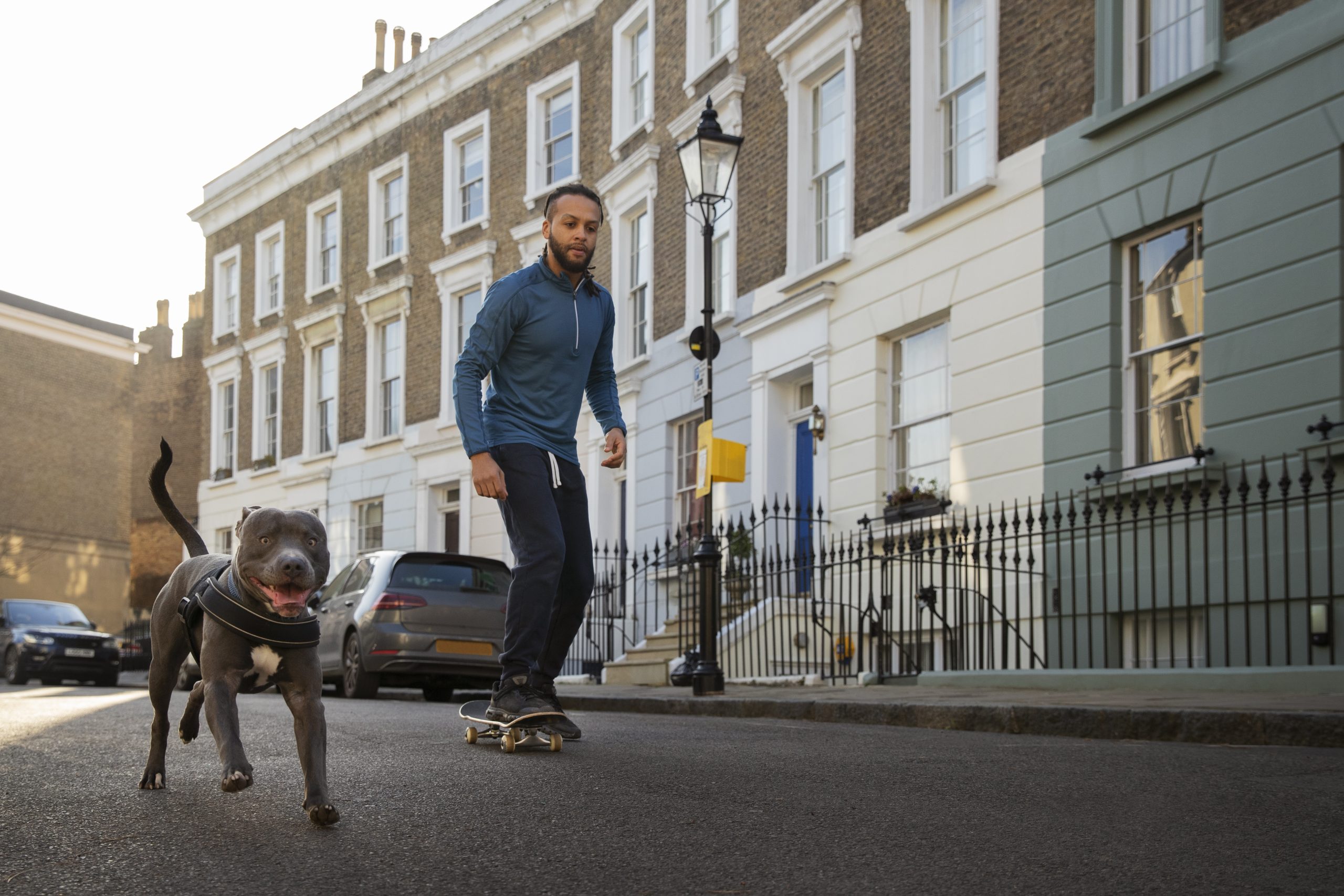
In urban environments, where space and time constraints are a constant challenge, dog owners often struggle to provide their pets with the training they need. Picture this: a dog navigating busy streets with the same confidence as it would a quiet park. It is possible with the right techniques tailored specifically for city living.
Adapting training for city dogs involves more than just basic obedience. Dogs in metropolitan areas are consistently exposed to a myriad of distractions, from honking horns to bustling crowds. Key techniques such as acclimatising dogs to city sounds and practising leash control in tight spaces can make all the difference. For example, studies show that urban-trained dogs are 70% less likely to display anxiety in busy environments compared to their untrained counterparts.
Training busy city dogs involves acclimatising them to urban sounds, practising leash control in crowded areas, teaching reliable recall amid distractions, navigating public transport and lifts, and socialising with people and other dogs. Consistency and positive reinforcement are key to successful adaptation.
Adapting Training for Busy City Dogs: 5 Effective and Essential Urban Techniques
Adapting training for busy city dogs requires unique strategies. The city environment provides many distractions that dogs must adjust to, such as loud noises and crowded pavements. These disturbances can overwhelm even well-trained dogs, so early acclimatisation is key. By starting with exposure to city sounds gradually, dogs can gain confidence. This helps make the transition smoother and less stressful for them.
One essential technique is practising leash control in crowded spaces. City pavements often mean navigating through tight spaces filled with people, other dogs, and various obstacles. Proper leash control ensures a dog can walk calmly next to its owner, preventing pulling or erratic behaviour. Training sessions should simulate real-life scenarios, incorporating distractors. Consistent practice in different areas helps reinforce these skills.
Teaching reliable recall is crucial in urban environments. There are many potential distractions, so ensuring that a dog returns when called is vital for its safety. This can be practised in parks or open spaces, starting with minimal distractions and gradually increasing them. Treats and positive reinforcement play significant roles. Clear, consistent commands also make training more effective.
Urban living often involves using public transport or navigating lifts. These experiences could be new and intimidating for dogs. Socialisation practices should include exposure to buses, trains, and lifts. Gradually introducing these elements can help a dog become more comfortable. By familiarising dogs with these settings, they can be more adaptable in an urban lifestyle.
Acclimatising to City Sounds and Stimuli
When acclimatising a dog to city sounds, starting gradually is crucial. Loud noises like sirens and construction can be overwhelming at first. Begin by exposing your dog to softer, less intimidating city noises. Over time, increase the volume and type of sounds your dog encounters. This gradual exposure helps build their confidence.
City stimuli are not limited to sounds; visual distractions play a big role too. Busy streets with pedestrians, cyclists, and other dogs can be chaotic. To manage this, take your dog on short walks during less busy times initially. Gradually extend the walking time and choose busier routes. Consistency helps dogs adapt to these frequent changes.
Positive reinforcement is essential when acclimatising dogs to urban environments. Treats and praise make new experiences feel rewarding. For instance, if your dog remains calm during a loud noise, immediately reward that behaviour. This positive association speeds up their adaptation. It is an effective technique that many trainers recommend.
Using a training schedule helps maintain progress. Record different stimuli your dog has been exposed to and their reactions. This can be in the form of a simple table. For example:
| Stimulus | Reaction | Notes |
|---|---|---|
| Car Horn | Calm | Reward with treat |
| Siren | Nervous | Reduce volume next time |
This systematic approach helps track improvements and identify areas needing more attention.
Practising Leash Control in Crowded Spaces
Practising leash control in crowded spaces is essential for urban dog training. A well-behaved dog on a leash is less likely to cause accidents or get hurt. Start with basic commands such as “heel” to keep your dog close. Consistent practice helps your dog understand expectations. Using treats can reinforce positive behaviour during walks.
Short, controlled sessions are more effective than long ones. Begin training in a quiet area to master commands. As your dog improves, gradually increase the complexity by moving to busier streets. This gradual progression ensures they remain calm in more chaotic environments. Each successful outing builds their confidence.
Distractions are plentiful in urban areas, making it crucial to use focus commands. “Watch me” is a helpful command to regain your dog’s attention. Use it when approaching a crowd or a busy intersection. Offering a treat can encourage your dog to focus on you. Repetition of this practice strengthens their response.
Structured Approach:
-
Start in a quiet area
-
Gradually introduce distractions
-
Use commands like “heel” and “watch me”
-
Reward positive behaviour
-
Monitor and adjust training intensity
This approach helps your dog adapt to crowded spaces calmly. Keeping a consistent routine is key to success.
Teaching Reliable Recall Amid Urban Distractions
Teaching reliable recall amid urban distractions is crucial for a city dog’s safety. A solid recall can prevent accidents and ensure your dog always returns when called. Start in a controlled environment like your home. Use a high-value treat or toy to make coming back to you rewarding. Consistency and positive reinforcement are key.
Gradually introduce distractions as your dog becomes more reliable with recall commands. Begin with mild distractions such as another person or a small toy. Increase the difficulty by taking your practice sessions outdoors. Parks with light traffic provide a good transition. Over time, these varied environments help solidify the recall command.
Repetition helps dogs understand what you expect from them. Make sure to practice recall in different situations. Vary your tone and use commands like “come” or “here.” Consistency in commands reduces confusion. Regular sessions embedded in daily outings can improve reliability.
Using a long leash can offer your dog some freedom while still maintaining control. This is particularly useful for open parks. A simple progression plan can be as follows:
| Environment | Distractions | Notes |
|---|---|---|
| Home | Minimal | Use high-value rewards |
| Local Park | Moderate | Introduce mild distractions |
| Busy Street | High | Increase vigilance |
Recall commands should always be fun and rewarding for your dog. If a dog thinks it’s enjoyable to come back to you, they will. Negative experiences can create reluctance. Maintain a positive, encouraging environment. Over time, this builds a reliable recall.
Patience is essential. Urban distractions are numerous, and your dog needs time to adapt. Stay consistent and don’t rush the process. Incremental improvements bring long-term success. Celebrate small wins along the way.
Navigating Public Transport and Lifts
Navigating public transport and lifts can be daunting for dogs. Start by introducing your dog to these environments in gradual steps. For instance, begin with an empty bus or train. Reward your dog for calm behaviour and gradually introduce busier settings. This step-by-step approach builds their confidence.
Lifts present unique challenges such as confined spaces and sudden movement. Begin by getting your dog comfortable with the lift when it is not in motion. Use treats and encourage your dog to enter and exit calmly. Once they are comfortable, take short rides, increasing the length as your dog adapts. Consistency helps reduce anxiety.
When using public transport, expose your dog to different types. Buses, trains, and trams all have unique noises and movements. Familiarisation helps dogs adjust. Bringing comforting items such as a favourite toy or blanket can provide reassurance.
Training your dog to sit or lie down on cue is beneficial during these situations. It keeps them calm and reduces the risk of accidents. Teach these commands at home first before practising them in more distracting environments. A well-trained dog is more likely to remain composed, making the experience safer for everyone.
Keeping a record of your dog’s progress can be helpful. For example:
| Transport Type | Comfort Level | Notes |
|---|---|---|
| Bus | Intermediate | Remained calm in seat |
| Train | Beginner | Needs more exposure |
| Lift | Advanced | Handles movement well |
Monitoring this progression helps identify areas needing attention. Always ensure your dog is comfortable and not overwhelmed. Take breaks when necessary and offer plenty of positive reinforcement. With patience and persistence, your dog can become confident in urban transport.
Socialisation with People and Other Dogs in Urban Areas
Socialisation with people and other dogs is essential for a well-rounded urban dog. City environments offer plenty of opportunities for interaction. Begin by introducing your dog to friendly neighbours and their pets. This controlled setting helps build confidence gradually. Positive experiences foster comfort and ease aggression.
Frequent visits to dog parks are beneficial. These spaces are perfect for social interactions and play. Monitor your dog’s behaviour initially to ensure they are comfortable. Friendly interactions should be encouraged and rewarded. Slowly increase the duration of park visits as your dog becomes more at ease.
Urban socialisation isn’t limited to parks. Taking your dog on errands or to pet-friendly shops can be useful. These outings expose them to varied environments and people. Ensure your dog remains calm by using commands like “sit” or “stay.” These moments provide excellent training opportunities.
Keeping track of social progress can be insightful. A simple table or list can help:
-
Neighbourhood walks
-
Dog park visits
-
Pet-friendly shop trips
-
Meeting new dogs
-
Interactions with children
This approach allows you to adjust and improve socialisation practices as needed.
Training classes are another excellent option. They offer both structure and socialisation. Dogs learn commands while interacting with peers. Look for classes led by certified trainers. Professional guidance enhances adaptability in urban settings.
Always prioritise positive reinforcement. Reward your dog with treats and praise after successful interactions. This encouragement makes social experiences enjoyable. Over time, your dog will become more sociable and relaxed in urban environments.
The Role of Consistency in Urban Dog Training
Consistency plays a pivotal role in urban dog training. City environments are full of distractions that can unsettle a dog. Regular training helps dogs understand and remember what is expected. This reduces anxiety and promotes better behaviour. Maintaining a consistent routine builds trust between dog and owner.
Creating a daily schedule for walks, meals, and playtime is beneficial. Dogs thrive on routine as it offers predictability in an otherwise chaotic environment. This scheduling extends to training sessions. Consistent commands and rewards reinforce desired behaviours. For example, always use the same word for a command.
Incorporate various urban scenarios into training. Practise skills like leash control and recall during walks in the city or visits to parks. Varying locations while maintaining consistent methods strengthens adaptability. Adaptability is crucial for handling diverse urban situations without stress.
| Activity | Frequency | Notes |
|---|---|---|
| Leash Control | Daily | Reward calm walking |
| Recall Command | Twice weekly | Practice in safe areas initially |
| Public Transport | Weekly outings | Sit command practice during rides |
Positive reinforcement is essential. Rewarding good behaviour immediately reinforces the action. Effective rewards include treats, praise, or playtime.
Involving all family members in training is significant. Unified commands and routines prevent confusion. This helps integrate pets smoothly into city life.
Common Mistakes When Training City Dogs
Training city dogs comes with challenges. Common mistakes include:
-
Not starting socialisation early enough – Expose your dog to urban sounds, people, and other dogs at a young age. Early socialisation helps adaptation.
-
Inconsistent training – Clear, consistent commands are vital. Switching words for the same action confuses dogs.
-
Overlooking leash control – Daily practice ensures safety and calm walks.
-
Avoiding crowded places – Gradually introduce busy streets and parks to build focus.
-
Neglecting positive reinforcement – Reward good behaviour immediately. Avoid scolding, which can create negative associations.
Checklist to avoid mistakes:
-
Start socialisation early
-
Be consistent with commands
-
Practise leash control regularly
-
Gradually expose dogs to crowded places
-
Use positive reinforcement consistently
Following these guidelines ensures a more adaptable and well-behaved dog in busy urban environments.
Evaluating Progress and Adjusting Urban Training Methods
Evaluating progress is essential for effective results. Regular assessments help identify what techniques work and where adjustments are needed. Keep a training log noting successes and challenges.
Observe behaviour in different settings. A dog may behave at home but act out in busy streets. Use these observations to adjust training methods. For example, if leash control in crowded areas is poor, focus more on these environments. Tailoring training ensures balanced progress.
Introduce new experiences regularly, such as visits to pet-friendly shops or dog events. Diverse exposure reinforces training techniques. Feedback from trainers or other dog owners is valuable. Sometimes outside perspectives highlight overlooked areas. Group training sessions and community activities can provide fresh insights.
Evaluation Steps:
-
Monitor sessions with a log
-
Assess behaviour in multiple settings
-
Adjust methods based on observations
-
Introduce new experiences regularly
-
Seek feedback from others
A targeted and adaptable approach leads to better results and a well-adjusted dog.
Essential Equipment for Urban Dog Training
Equipping yourself with the right gear is crucial:
| Equipment | Purpose | Benefits |
|---|---|---|
| Leash & Harness | Control & safety | Comfortable walks |
| Clicker | Training | Clear communication |
| Interactive Toys | Mental stimulation | Alleviates boredom |
| Portable Water Bowl | Hydration | Convenience |
A sturdy, well-fitted leash ensures control in crowded environments. Harnesses distribute pressure evenly, making walks comfortable. A clicker helps reinforce behaviour clearly, especially in noisy settings. Interactive toys provide mental stimulation indoors, and portable water bowls keep your dog hydrated.
Reflective gear is also important for safety during early morning or late evening walks. Collars, leashes, and vests increase visibility, adding extra protection in dimly lit areas.
Frequently Asked Questions
1. How can I help my dog adjust to city noises?
Start gradually with recordings of city sounds at a low volume at home. Increase volume and variety over time. Short walks during quieter periods also help. Reward calm behaviour with treats and praise.
2. Tips for practising leash control in busy areas?
Start in quieter areas, use commands like “heel,” reward good behaviour, and gradually move to busier streets. Maintain a relaxed but firm grip on the leash and adjust training intensity as needed.
3. How do I socialise my city dog with other dogs?
Begin with calm, well-socialised dogs. Gradually increase numbers and exposure. Off-peak visits to dog parks help ease intimidation. Positive reinforcement is key.
4. Can city dogs be trained to use public transport?
Yes. Start with less crowded stations and vehicles, gradually increase exposure. Reward calm behaviour and practise commands like “sit” and “stay.”
5. Best ways to train recall in a city environment?
Start in a controlled setting with high-value treats. Gradually increase distractions and practice in various environments. Leashes or long lines can offer controlled freedom. Patience and frequent practice are essential.
For more guidance on urban dog training, visit the Kennel Club – Dog Training Advice.
Conclusion
Training city dogs requires patience, consistency, and the right techniques. Urban environments add unique challenges that demand tailored approaches. From leash control to socialisation and public transport training, each element plays a critical role.
By following structured and positive reinforcement methods, urban dogs can thrive. Regular evaluation and adjustments ensure continuous improvement. A well-trained city dog can navigate the urban jungle with confidence and ease.